January 2020 to December 2025
The Empowering Adolescent Girls to Learn and Earn (EAGLE) project, funded by Global Affairs Canada, was designed to reach 4,200 out-of-school girls in Mozambique, improving their literacy, numeracy, business, and life skills.
The issue facing girls in Mozambique
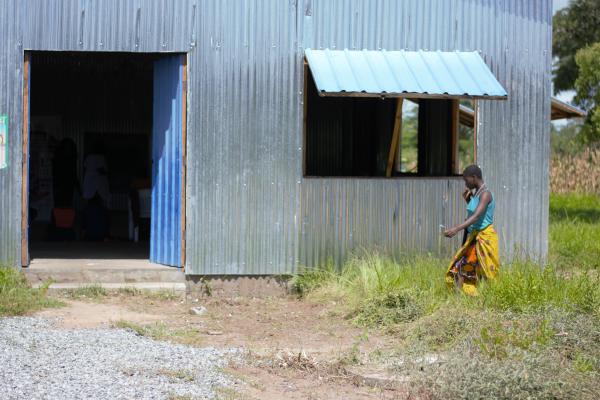
More than 60% of Mozambicans live below the poverty line. In this context, child marriage is often used as coping mechanism to reduce perceived economic burden. According to UNICEF, 48% of girls in rural Mozambique are married before age 18, with poverty and food insecurity cited as primary drivers. Food insecurity remains chronic in Mozambique, particularly in central and northern provinces.
Due to its position on the east coast of Africa, Mozambique is also extremely vulnerable to climate change. In March 2019, Cyclone Idai struck Mozambique, as well as Malawi and Zimbabwe, followed in April by Cyclone Kenneth. 250,000 people were displaced and 650 people killed. In 2022 alone Mozambique endured five tropical storms including Tropical Storm Ana and Cyclone Gombe, with Gombe affecting more than 736,000 people.1
The national education system offers limited prospects for girls, especially in rural areas. Many girls complete primary education without functional literacy or numeracy skills. Existing school policies also exclude girls who are pregnant, married, or mothers, effectively barring them from formal day schools.
We've reached
4,335 out-of-school girls have been enrolled in 135 community sites.
5,600 community members – including boys, husbands, fathers, and brothers – reached through men’s and boys’ engagement groups across eight districts.
95% of the girls who took the National Literacy and Numeracy exams passed.
Empowering Adolescent Girls to Learn and Earn
The EAGLE project reached 4,335 out-of-school girls, improving their literacy, numeracy, business, and life skills. The EAGLE project was implemented in Manica and Sofala provinces (districts of Sussundenga, Macate, Manica, Vanduzi, Gondola, Nhamatanda Gorongosa e Chibabava), where poverty rates stand at 55% and 58% respectively.
Project focused particularly on those who were married with children, living with a disability, those affected by HIV and AIDS, and those living in rural areas hit by the cyclones.
The girls have taken part in accelerated numeracy and literacy classes, and then vocational trainings that set them onto the road to entrepreneurship or employment, enabling them to pull themselves out of poverty.
The project has also worked with 5,600 male community members: husbands, fathers and brothers of the girls. The sessions were focused on supporting girls’ businesses, gender and sexual and reproductive health issues.
How did EAGLE work?
Helping marginalised girls return to school
The project worked to help girls through:
- Access accelerated literacy and numeracy classes that are age and disability appropriate;
- Obtain basic literacy and numeracy to support the development of business, financial and life skills for income-generating activities.
- Gain community and peer support for their education.
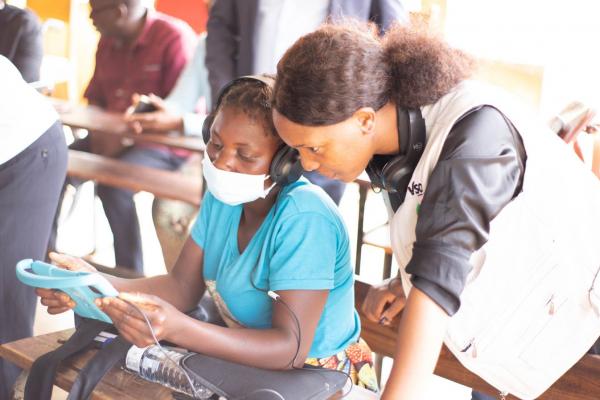
The EAGLE project supported marginalised girls who had never attended school, dropped out of school, or complete primary school without foundational numeracy and literacy skills. Reasons for drop out included;
- Poverty and household economic pressure
- Harmful cultural norms prioritising domestic or economic work over education
- Pregnancy, early marriage, or motherhood (barred from formal schools)
- Disability-related stigma and lack of accessible school infrastructure
Through accelerated literacy and numeracy classes, girls develop the basic reading and writing skills required for income-generating opportunities. VSO also supported young women to gain community backing for their education and economic empowerment.
This initiative worked with local education organisations to establish safe learning centers, train teachers, form child protection committees, and local government coordination groups to ensure girls have access to essential services and resources for successful education.
Engaging male peers
The EAGLE project worked with 5,600 male community members: including husbands, fathers, and brothers of the girls. The sessions structured on;
- supporting the girl’s businesses activities;
- Gender equality and positive masculinities; and
- Sexual and reproductive health rights (SRHR).
Community volunteers facilitated male peers engagement in SRHR training and conducted home visits to reach the husbands and families of beneficiary girls, reinforcing the importance of girls’ education within their households.
Engaging community teachers and volunteers
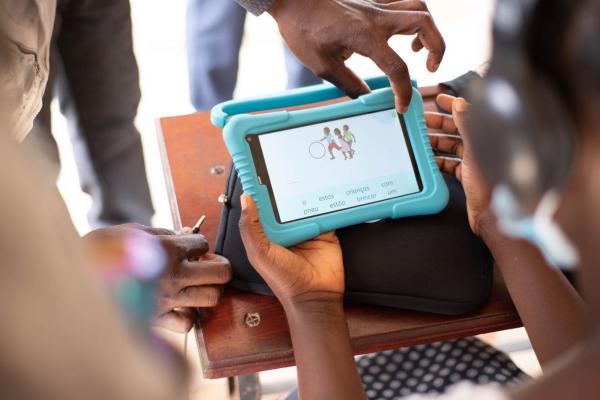
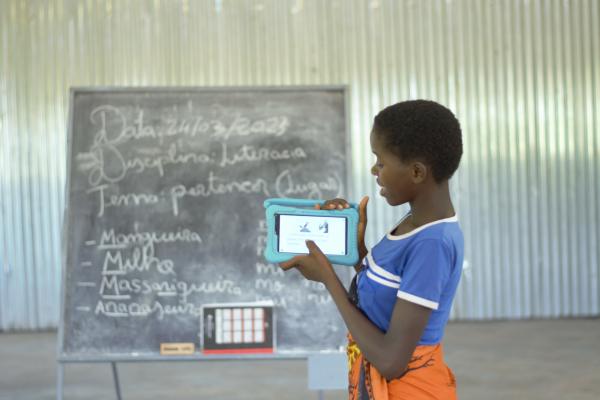
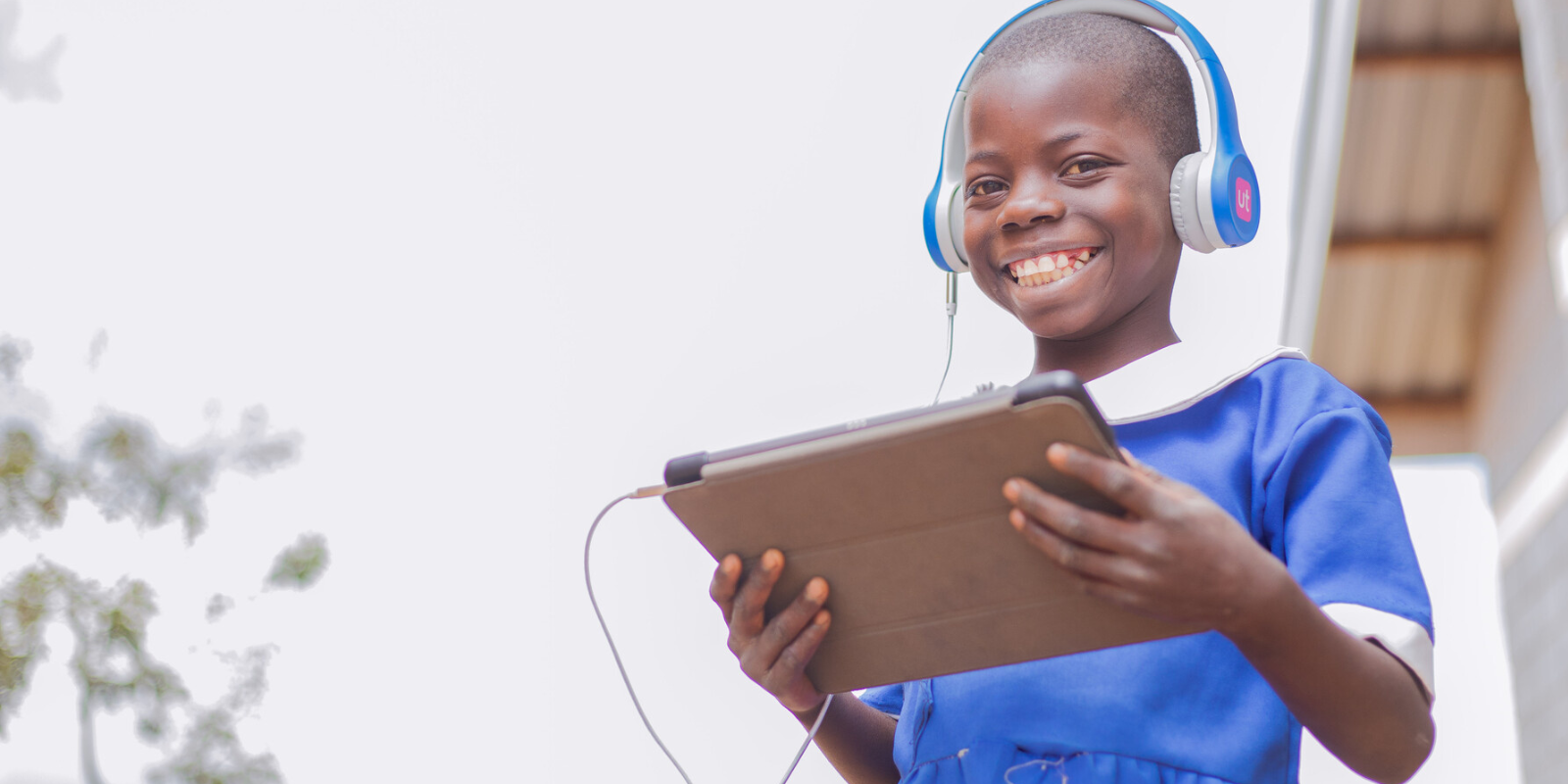
VSO provided participating in girls’ school kits which include exercise books, pens, and a tablet to support their digital learning. The tablets enabled girls to access learning contents at home, ensuring continuity when they could not attend in-person sessions. In person sessions were held twice per week, facilitated by the community teacher. Digital modules included study and play zones, featuring reading, writing and maths exercises, as well as stories, games, and quizzes. This hybrid model allowed girls to continue learning while managing household responsibilities.
Upon completing literacy classes, girls transition to vocational training focused on income-generating activities, including
- Production of reusable sanitary pads,
- Village Savings and Loan Association (VSLA0,
- Small business management
Community teachers were trained in:
- Life skills facilitation
- SRHR and gender-based violence (GBV) prevention
- Digital learning application support
Additionally, 2,703 basic mobile phones were distributed across the eight districts , enabling girls to:
- Report cases of violence quickly, and to the appropriate authorities
- Received social support funds during the implementation period, serving both as an incentive and assistance participation related expenses.
Teaching of sexual and reproductive health rights
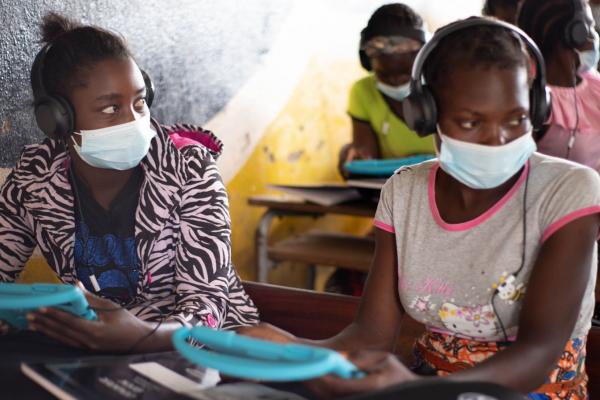
SRHR education was delivered as part of the Life Skills curriculum, covering the following topics:
Healthy relationships
- Recognising violence in relationships
- Types of violence (physical, emotional, economic, sexual)
- Human Rights and Child Rights, and reproductive sexual rights.
Sexual intercourse/knowing our bodies/understanding our bodies and emotions.
- Understanding our bodies and emotions
- Puberty and body changes
- The female menstrual cycle
- Reproduction and pregnancy
Pregnancy prevention, planning and practicing safe sex.
- Unsafe abortion and its consequences
- Abortion and Stigma
- Introduction to HIV and HIV/AIDS
Building resilience against climate change
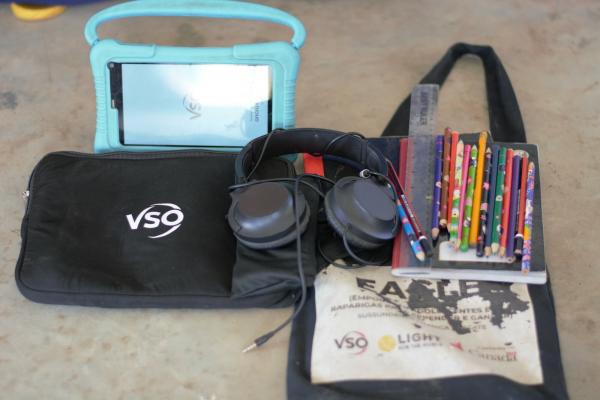
If girls were unable to read and write, they could not engage in climate resilience. How could they sign up to learn more if they could not write their names?
The EAGLE project was designed in response to the destruction caused by Cyclone Idai, which severely damaged Mozambique’s education infrastructure. The literacy and numeracy were recognized as foundational to climate resilience – without basic literacy, girls would not engage in early warning systems, sign up for resilience training, or participation in community action plans.
Key climate adaptation measures included;
- 1,715 tablets distributed through an 8-month rotational model across beneficiary groups, allowing girls to learn from home during weather-related school closures.
- Community-based safe learning spaces developed by VSO to replace informal classrooms damaged by adverse weather.
- Seasonal scheduling of lessons April and November/December, avoiding the peak of rainy season (November to March).
- Mobile Phones alerts providing girls with weather updates, flood warnings and cyclone notifications.
Collaborations with VSO ACTIVE project to ensure to ensure schools doubling as displacement centers during emergencies did not interrupt girls’ learning pathways
Case studies
How EAGLE turned Sara’s life around
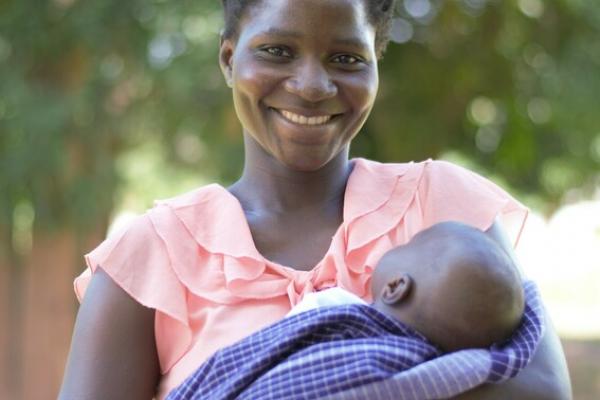
Sara (21) was married at age 16 and dropped out of school to assume full domestic responsibilities. After her husband abandoned the family, she became the sole caregiver for her child. Her parents were unable to support school-related costs, leaving her without opportunities for independence or education.
With the support of a community teacher, Sara enrolled in EAGLE classes. Using tablets, she accessed reading, writing, and mathematics modules. Through the life skills component, she learned about her rights as a woman and began to envision a future for herself and her child. The vocational training enabled her to start a small income-generating activity, reducing her reliance on a partner and increasing her economic independence.
Hagira’s volunteer journey
Hagira Hassan began volunteering with the EAGLE project in 2022 and was based in Manica province, serving in the districts of Sussundenga, Macate, and Manica. Prior to joining VSO, Hagira had worked on several projects, educating women and girls on basics literacy and numeracy.
Within the EAGLE project, Hagira worked closely with girls aged 15–19 who had dropped out of school due to pregnancy or early marriage, financial constraints, or cyclone-related disruptions. As a community teacher, she received specialised training from VSO in effective engagement strategies for marginalized learners, especially girls.
Hagira valued her experience, not only for the opportunity to support women and girls, but also for mutual learning that occurred between her and the learners. She was well received by community members, and her work contributed to strengthened local support for girls’ education.
“We know that every girl has the right to education. It’s very good because our focus is on learning to read, write and count. That’s why it’s good to be a part of this project, the girls are learning and gaining advantages”
Related links
Inclusive education
Making sure everyone gets the skills they need to live a fulfilled, dignified life.
We helped almost 3.6 million people to access the quality education they deserve using our current strategy.
Mozambique
We've worked in Mozambique since 1998, building healthy communities and strengthening inclusive education systems.
Our work
We fight inequality not by sending aid, but by working through volunteers and partners to create long-lasting change for some of the world’s most marginalized communities.
Support us with a donation